Enhancing ESG Compliance: How Data Center Solutions Promote Sustainable Business Practices
Strengthening ESG compliance in operational infrastructure is increasingly necessary in present-day corporate world. With organizations facing statutory demands, the function of processing centers in championing green initiatives becomes vital. Assorted systems, such as advanced cooling systems and renewable energy sources, play a critical role in this transformation. Still, difficulties remain in realizing these objectives. Mastering these dynamics is crucial for any institution attempting to pioneer in the sustainable digital economy.
Why ESG Compliance Counts for Data Centers
As companies emphasize environmental responsibility, grasping the importance of ESG compliance for data centers becomes essential. ESG, which stands for Environmental, Social, and Governance, serves as a framework to assess how companies manage risks and opportunities related to sustainability. For data centers, adherence with ESG standards is essential, as these facilities expend significant energy and resources. By adhering to ESG standards, data centers can substantially lower their carbon impact, strengthen performance levels, and foster social accountability.
Additionally, ESG compliance can improve a data center's reputation, attracting environmentally conscious partners and investors. As compliance standards evolve, businesses experience intensifying pressure to exhibit accountability and transparency in their business activities. Non-compliance might result in financial penalties and reputation damage. Ultimately, weaving ESG elements into data center business operations is not just a regulatory obligation; it is a vital strategic move for enduring success and business competitiveness in a fast-changing market.
Key Technologies Powering Sustainable Data Center Operations
Sustainable data center operations are increasingly influenced by key technologies concentrated on energy efficiency and renewable energy integration. Advancements in temperature control and energy distribution are enhancing power efficiency, while the adoption of solar and wind energy sources is decreasing carbon footprints. In combination, these improvements are shaping a more environmentally responsible approach to data center management.
Eco-Friendly Innovations
A major change in data center operations is driven by energy efficiency advancements that utilize advanced technologies. These innovations include state-of-the-art cooling systems, such as liquid cooling and immersion cooling, which greatly reduce energy consumption compared to traditional methods. Additionally, the deployment of artificial intelligence and machine learning enhances resource allocation, boosting operational efficiency. Smart power distribution units (PDUs) monitor and manage energy use dynamically, additionally minimizing waste. Furthermore, virtualization techniques allow for better server utilization, reducing the need for physical hardware. Together, these advancements contribute to lower carbon footprints and operational costs, aligning data centers with eco-friendly business practices while meeting regulatory ESG compliance requirements. Consequently, energy efficiency innovations play an essential role in shaping the future of sustainable data center operations.
Renewable Energy Deployment
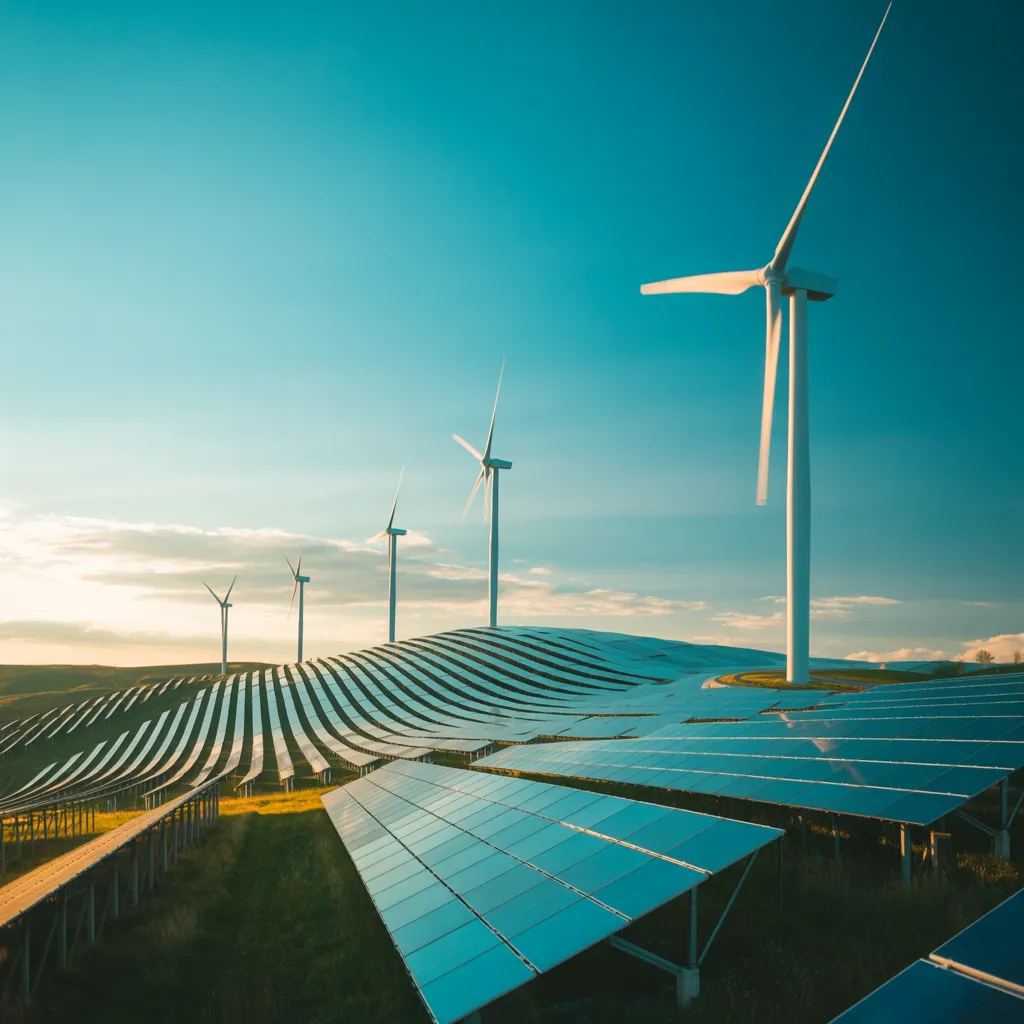
Incorporating renewable energy sources is vital for enhancing sustainable data center operations. Data centers increasingly depend on solar, wind, and geothermal energy to energize their facilities, greatly reducing carbon footprints. Technologies like energy storage systems, including lithium-ion batteries, aid in regulating energy supply and demand, ensuring uptime during times of low renewable generation. Furthermore, state-of-the-art energy management software maximizes energy usage by analyzing consumption patterns and adjusting to real-time conditions. Many data centers are also adopting Power Purchase Agreements (PPAs) that ensure long-term renewable energy contracts, bolstering financial stability while promoting green energy advancement. By implementing these technologies, data centers not only improve their sustainability but also contribute broader ESG compliance initiatives, harmonizing business operations with environmental responsibility.
Increasing Energy Efficiency to Reduce Environmental Damage
Boosting power conservation is paramount for data centers committed to diminish their environmental footprint. This can be obtained through forward-thinking facility design, next-generation thermal solutions, and the integration of sustainable energy options. By prioritizing these areas, data centers can advance ecological responsibility while upholding operational effectiveness.
Efficient Energy Infrastructure Development
Constructing low-impact infrastructure acts as an key tactic for data centers attempting to reduce their ecological footprint. By applying premium materials, streamlining configurations, and implementing sustainable power, data centers can considerably minimize energy consumption. Installing efficient lighting systems and smart power management elevates operational efficiency further. Furthermore, sturdy power management platforms enable live monitoring, allowing data centers to uncover and resolve performance issues without delay. The uptake of flexible frameworks can also enable scalability while maintaining energy efficiency. By and large, these facility upgrades not only strengthen compliance with environmental, social, and governance (ESG) standards but also champion long-term sustainability. Via strategic design, data centers work toward a greener future while enhancing their overall operational performance.
Progressive Cooling Technologies
Advanced heat management methods play a vital role in enhancing energy performance within data centers while minimizing their environmental effects. Innovations such as liquid cooling systems, which efficiently transfer heat away from key elements, significantly reduce power demands compared to traditional air cooling methods. Additionally, smart cooling solutions utilize monitoring devices and AI algorithms to flexibly regulate cooling in response to live requirements, further optimizing energy efficiency. Employing natural cooling methods takes advantage of ambient climate factors, allowing data centers to run optimally without depending solely on active mechanical cooling. By adopting these cutting-edge cooling methods, organizations can attain significant decreases in energy efficiency, ultimately helping to produce lower greenhouse gas emissions and foster a more environmentally friendly operational impact.
Renewable Energy Integration
The integration of renewable energy sources into data center activities represents a significant step towards achieving sustainability goals. By utilizing solar, wind, and hydroelectric power, data centers can significantly reduce their greenhouse gas emissions. These facilities are progressively adopting energy-efficient technologies that enhance power usage, such as advanced power management systems and smart grid solutions. Additionally, integrating energy storage solutions allows for better management of renewable energy supply, guaranteeing a stable power flow even during variable conditions. This change not only reduces operational costs but also strengthens compliance with Environmental, Social, and Governance (ESG) standards. Ultimately, renewable energy integration fosters a more sustainable approach to data center management, conforming business practices with broader environmental objectives.
Strategic Resource Planning Approaches for Sustainable Data Centers
While many organizations strive for sustainability, effective resource management techniques are crucial for data centers working to minimize environmental impact. Installing state-of-the-art cooling technologies, such as liquid cooling or free air cooling, can markedly reduce energy consumption. Moreover, leveraging virtualization technologies allows for ideal usage of physical servers, limiting the need for additional hardware and energy.
Regular tracking of energy consumption through data analytics helps detect inefficiencies and areas for optimization. Additionally, utilizing modular design approaches enables data centers to adjust capacity according to actual requirements, preventing overprovisioning.
Establishing a robust recycling program for e-waste is important for reducing landfill contributions. Moreover, engaging in sustainable procurement practices guarantees that all materials sourced align with environmental standards. Together, these techniques form an inclusive approach for data centers to function with greater sustainability, ultimately promoting broader ESG compliance goals while enhancing workflow optimization.
Displaying ESG Compliance Achievements in Data Centers
As organizations increasingly prioritize sustainability, several data centers have come forth as leaders of ESG compliance, showcasing cutting-edge strategies to environmental stewardship. One notable example is a center in Amsterdam that employs advanced cooling systems, considerably decreasing energy usage while maintaining peak performance. This facility has accomplished a 40% decrease in greenhouse gas output through the integration of renewable power sources, such as wind and solar power.
Another success story is a data center in Singapore that concentrates on water saving by implementing a recycled cooling system, decreasing water usage by 70%. This facility also collaborates with local communities to support eco-consciousness and eco-friendly initiatives.
Furthermore, a data center in Northern Virginia has established rigorous waste disposal procedures, redirecting over 90% of its waste from landfills. These accomplishments demonstrate how data centers can pioneer in ESG compliance, establishing standards for eco-friendly operations in the industry.
What Constraints Do Data Centers Manage in Fulfilling ESG Compliance?
Achieving ESG compliance entails several issues for data centers, despite the evidence inspiring examples of success highlighted previously. One key hurdle is the considerable energy consumption involved in data center operations, leading to substantial carbon footprints. Many centers find it challenging to implement renewable energy solutions due to financial constraints or infrastructural barriers. Additionally, regulatory requirements can vary widely across regions, making compliance a complicated, fragmented process that needs constant monitoring and adaptation.
Another obstacle lies in the incorporation of eco-friendly initiatives within existing operations. Data centers often encounter challenges in retrofitting older facilities to satisfy modern ESG standards. Furthermore, the changing landscape of technology requires continuous investment in upgrades, which can pressure budgets. Finally, workforce training and understanding regarding ESG principles are essential yet often neglected, further complicating compliance with sustainability goals. These challenges highlight the importance of deliberate preparation and innovation in data center operations to accomplish meaningful ESG compliance.
Upcoming Trends in Data Center Environmental Responsibility and ESG Compliance
Rising trends in data center green practices and ESG compliance are expected to reshape the industry landscape markedly. The increasing adoption of renewable energy sources, such as solar and wind, is a primary focus, as data centers work to minimize their carbon footprints. Additionally, the merging of advanced cooling technologies, including liquid cooling and free-air cooling, is building momentum to strengthen energy efficiency.
In addition, the proliferation of AI and ML in resource management empowers data centers to optimize operations, curtailing waste and optimizing energy consumption. Regulatory frameworks are also advancing, compelling organizations to execute more exacting ESG standards.
As participants demand greater accountability, data centers will increasingly employ blockchain systems to guarantee track record in their sustainability efforts. Taken together, these trends will not only spur compliance but also cultivate innovation, positioning data centers as leaders in the shift to a more sustainable digital economy.
Often Asked Questions
What Means Can Smaller Data Centers Enhance Their ESG Conformance Programs?
Small data centers can strengthen ESG compliance by implementing efficient-energy technologies, executing waste control strategies, optimizing resource management, and performing transparent reporting. Teamwork with stakeholders further deepens their commitment to sustainable business practices and transparency.
What Part Do Interested Parties Take in Data Center Environmental Social Governance Programs?
Stakeholders serve as key contributors in data center ESG initiatives by providing insights, resources, and accountability. Their engagement promotes teamwork, ensuring that environmental objectives align with operational practices and community expectations, ultimately improving overall compliance and effectiveness.
Are There Certifications for Data Centers Focusing on ESG Compliance?
Yes, multiple qualifications exist for data centers emphasizing ESG compliance, such as ISO 14001 for environmental management and LEED for energy efficiency. These certifications help confirm that centers meet environmental benchmarks and stakeholder needs.
What Effect Does ESG Compliance Have on Data Center Expenses and Price Points?
ESG adherence can increase data center expenditures due to investments in sustainable technologies and practices. However, it may also lead to long-term cost advantages and improved rate frameworks by attracting planet-aware clients and fortifying entity prestige.
What Are the Usual Misconceptions Regarding ESG Initiatives in Data Centers?
There are frequent misunderstandings about ESG in data centers, including the belief that compliance is merely a financial burden, that it's unrelated to operational efficiency, and that it solely pertains to major corporations, ignoring smaller organizations' responsibilities.