Retail Colocation: Strengthening Your Business With Reliable Data Center Solutions
Retail colocation offers a valuable opportunity for companies looking for optimized IT infrastructure. By renting space in shared data centers, organizations can greatly cut costs and strengthen operational efficiency. This method enables businesses to concentrate on their primary functions while taking advantage of advanced security measures and expandable resources. However, the move to embrace retail colocation involves multiple key factors that can affect long-term outcomes. What considerations should companies assess to confirm they select the right option?
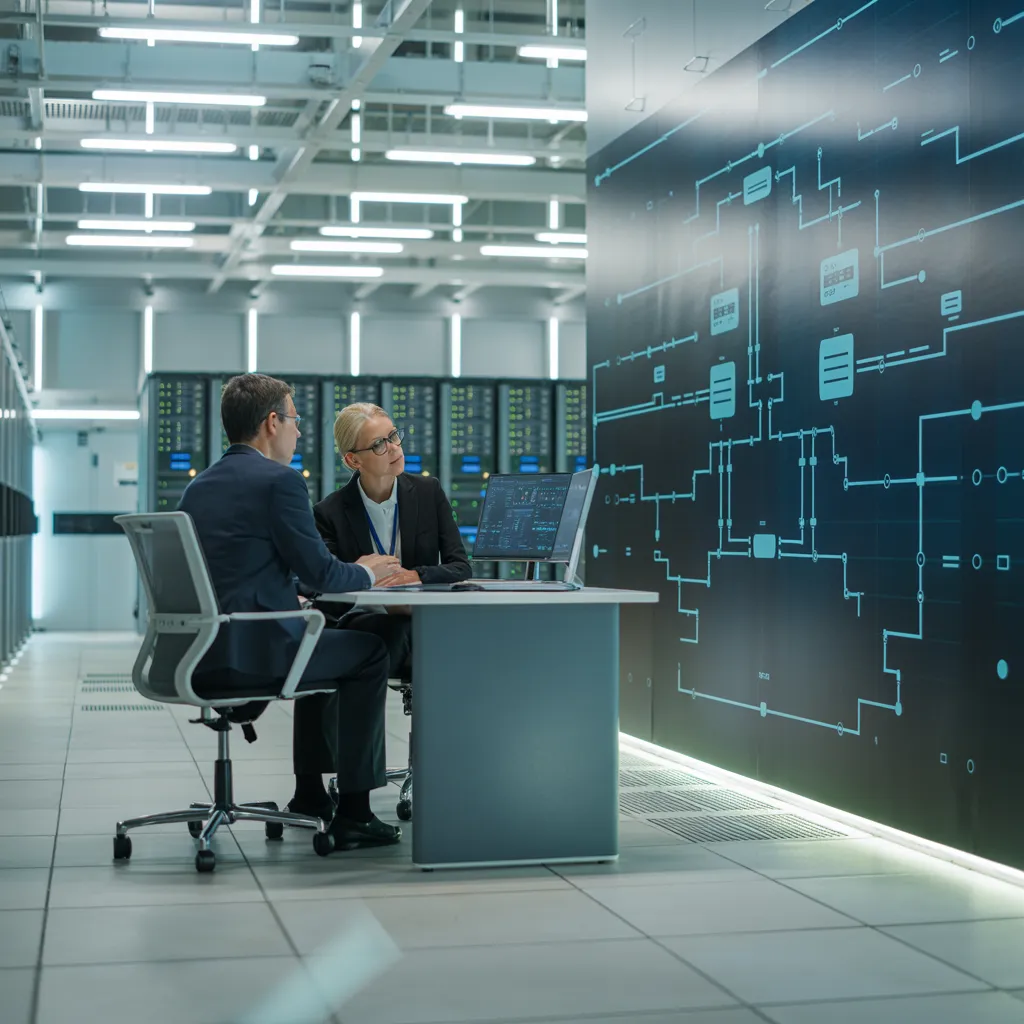
Retail Colocation Explained: A Thorough Overview
Retail colocation offers businesses a flexible and cost-effective solution for accommodating their technology infrastructure. This approach enables organizations to lease space inside a data center, delivering fundamental resources like electrical power, climate control, and security. By utilizing a facility alongside other businesses, businesses can reduce costs associated with developing and managing their own dedicated data centers.
Retail colocation facilities are equipped with cutting-edge technology, providing reliable and flexible operations. Organizations gain access to fast and reliable internet connectivity, backup power systems, and comprehensive security measures, which are generally more difficult to establish on their own.
Additionally, retail colocation allows businesses to focus on their core competencies rather than overseeing physical infrastructure. It offers a broad spectrum of choices to address a wide range of needs, from smaller businesses to large-scale organizations. This framework supports an environment where enterprises can smoothly transition to advancing technological demands while sustaining optimal efficiency.
Top 5 Benefits of Retail Colocation for Business Growth
Five major advantages demonstrate why companies are increasingly selecting colocation as a practical approach for expansion. To begin, colocation offers cost efficiency by lowering the expenses associated with building and maintaining an in-house data center. As a second benefit, it enables scalability, permitting organizations to scale their infrastructure without major capital expenditure. Additionally, enhanced reliability is an fundamental benefit; colocation facilities often come with redundant power, cooling, and connectivity, ensuring uptime. Fourth, access to advanced technology is a notable advantage, as colocation centers commonly provide state-of-the-art equipment that may be economically impractical for individual businesses. Finally, colocation promotes improved focus on core business activities. By delegating infrastructure management, companies can devote greater attention to strategic initiatives rather than technical upkeep. Overall, these advantages make retail colocation a compelling choice for businesses looking to optimize their operational efficiency and sustain long-term development.
How Can Retail Colocation Strengthen Data Security?
Although many companies acknowledge the significance of protecting their data, few realize how retail colocation can substantially strengthen their defensive strategies. Through utilizing communal data center infrastructure, businesses obtain advanced security technologies that may be financially unfeasible independently. Such colocation environments generally provide strong physical protection systems, including biometric authentication systems, surveillance systems, and dedicated security staff, reducing vulnerabilities related to unauthorized access.
In addition, such facilities frequently offer robust cybersecurity solutions, such as network firewalls and intrusion prevention tools, engineered to secure sensitive information. Periodic security evaluations and conformance to industry benchmarks guarantee that data remains protected against advancing cyber threats. Additionally, the backup capabilities provided by colocation services maintains data accessibility even during outages, further enhancing overall security. To conclude, retail colocation not only unifies infrastructure but also enhances data security, permitting companies to prioritize their essential activities with increased assurance.
How Retail Colocation Provides Scalability and Flexibility
Retail colocation offers businesses the capacity to seamlessly grow their operations through flexible resource distribution. This flexibility allows for swift infrastructure growth, supporting expansion without the need for substantial financial commitment. Furthermore, specialized solutions can be developed to meet specific organizational needs, strengthening overall resilience in a rapidly evolving market.
Flexible On-Demand Resource Management
Scalability and flexibility are essential attributes in today's dynamic and competitive digital world, and colocation services provide on-demand resource allocation that effectively meets these requirements. Retail colocation enables businesses jump in to dynamically scale their IT resources based on real-time demands. This model allows companies to quickly increase or decrease their server capacity without the long lead times associated with traditional infrastructure investments. By leveraging colocation facilities, businesses can access additional bandwidth, storage, and processing power as needed, guaranteeing their ability to stay agile when adapting to market shifts. This on-demand approach not only optimizes operational efficiency but also helps reduce costs by eliminating the need for excessive upfront capital expenditure. Essentially, retail colocation provides businesses with the capability to adjust effortlessly to shifting operational needs.
Fast-Paced Infrastructure Scaling
As businesses increasingly require quick modifications to their IT systems, retail colocation presents itself as a key solution for facilitating organizational growth. This approach allows companies to rapidly expand their operations without the weight of substantial upfront costs associated with building and maintaining their own data centers. By utilizing shared infrastructure, companies can secure additional capacity and bandwidth whenever required, making certain they can react swiftly to market fluctuations or surges in demand. Retail colocation further offers the adaptability to modify power and space requirements as organizational demands change. With robust facilities and knowledgeable support, companies can concentrate on their primary goals while smoothly broadening their technological reach, ultimately enhancing their competitiveness in a dynamic marketplace.
Customized Solutions for Growth
Harnessing the power of retail colocation, businesses gain an essential advantage in achieving both scalability and flexibility. This approach allows organizations to easily adjust their IT infrastructure in response to market demands. By making use of shared resources in a colocation facility, businesses can scale their operations without the considerable preliminary costs connected to developing and operating their own data centers. The flexible framework of colocation services supports effortless addition of supplementary servers and networking equipment as necessary. Additionally, businesses can quickly scale down during slower periods, optimizing resource allocation. This responsiveness not only enhances operational efficiency but also supports innovation, allowing companies to focus on growth strategies while relying on robust data center solutions to manage their technological needs.
How to Find the Perfect Retail Colocation Partner
Identifying the ideal retail colocation partner starts with a comprehensive evaluation of infrastructure needs. Organizations must determine their particular requirements to ensure alignment with possible providers. Moreover, evaluating service level agreements is critical to ensure that the chosen partner satisfies performance and reliability benchmarks.
Evaluate Infrastructure Requirements
When analyzing operational requirements, organizations need to thoroughly evaluate their specific needs to find the most suitable colocation services partner. The evaluation starts by establishing current and future data storage demands, as well as bandwidth requirements. Organizations should consider their scaling forecasts and the likelihood of needing flexible scaling options within the facility. Additionally, evaluating power and cooling capabilities is essential, confirming the provider supports demanding hardware configurations. Protective features, including on-site and network-based, need to be thoroughly examined to protect sensitive data. In addition, the physical location of the data center must be compatible with business continuity goals and connectivity demands. By addressing these factors, companies can arrive at sound choices when choosing a retail colocation provider that most effectively meets their business objectives.
Evaluate Service Level Agreements
Reviewing service level agreements is a fundamental step in identifying the ideal colocation provider following an assessment of infrastructure requirements. SLAs establish the terms and commitments between the data center operator and the business, including availability commitments, support response times, and security protocols. A comprehensive analysis of these contracts can uncover key risks and advantages, supporting organizational objectives. Key components to consider include compliance-related penalties, dispute resolution processes, and terms for service credits. Additionally, businesses should assess the service provider's performance record in adhering to agreed-upon standards, as this demonstrates dedication to consistent performance. At the end of the day, a well-defined SLA promotes a mutually beneficial collaboration, empowering businesses to effectively utilize data center solutions for enhanced operational efficiency.
Economical Methods for Getting the Most Out of Your Colocation Investment
Maximizing a colocation commitment necessitates careful planning and well-informed decisions. Companies can boost cost-efficiency by comprehensively reviewing their requirements before choosing a service provider. This confirms consistency with provider capabilities and eliminates unnecessary expenditures.
Implementing scalable solutions is another key strategy. By selecting a provider that supports adaptable scaling, organizations can modify their resources according to evolving demands, thereby minimizing waste.
Routinely assessing and optimizing resource usage is critical. Employing analytical tools can pinpoint inefficiently used assets, allowing companies to make informed decisions about reallocating or downsizing.
Securing advantageous conditions in service level agreements (SLAs) can produce considerable cost reductions. Organizations should confirm they understand all costs involved , including undisclosed costs.
Finally, utilizing power-efficient innovations can reduce operating expenses, significantly boosting the colocation investment. Through the application of these approaches, companies can ensure their colocation services yield maximum benefits while driving business growth.
Questions We Frequently Receive
Which Types of Businesses Gain the Most From Retail Colocation
Organizations operating in finance, e-commerce, and technology fields gain the most advantages from retail colocation services. These sectors demand dependable infrastructure, high-speed connections, and flexible scalability, which allows them to improve performance, cut costs, and optimize overall operational efficiency.
How Is Retail Colocation Distinct From Standard Data Centers?
Retail colocation stands apart from conventional data center solutions by delivering shared space, reduced costs, and flexible scalability. Businesses benefit from enhanced connectivity and access to advanced infrastructure while avoiding the overhead of maintaining a private facility.
What Are the Biggest Myths About Retail Colocation?
Prevalent myths surrounding retail colocation encompass the false belief that it is exclusively designed for large enterprises, overly expensive, lacks security, and delivers insufficient scalability. In truth, it offers flexibility, affordability, and robust security options ideal for organizations across different scales.
What Is the Environmental Sustainability Impact of Retail Colocation?
Retail colocation positively impacts environmental sustainability by optimizing energy usage, reducing carbon footprints, and facilitating the sharing of resources. By centralizing infrastructure, it decreases unnecessary waste and improves operational efficiency, supporting greener data management practices in the field.
What Is the Typical Contract Length for Retail Colocation Services?
Typical contract lengths for retail colocation offerings vary between one and three years, although some providers may provide month-to-month arrangements. Contract flexibility enables businesses to adapt their data center requirements as needs change.